Design Studio

Lodge Design Studio for Cast Iron Choices

Use this studio as a practical guide to form, finish, color, and care. Lodge cookware looks simple, but the best choice depends on heat source, serving style, pantry space, and how a cook wants the surface to age through repeated meals.

Lodge design studio cookware comparison

Story with pullquotes

Start with the way heat should behave

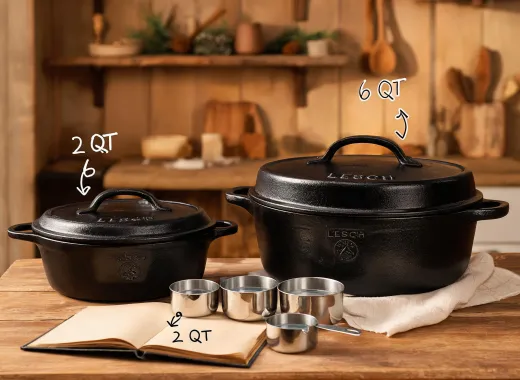
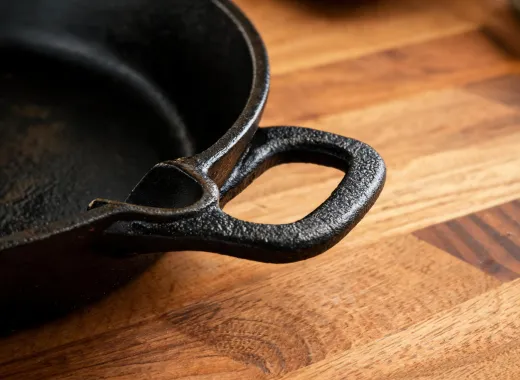
A Lodge skillet is chosen as much by habit as by size. A cook who sears steak needs broad contact, room for moisture to escape, and a handle that feels controlled when the pan is heavy. A baker may care more about edge browning, oven clearance, and whether a pan releases cornbread cleanly after repeated use. A Dutch oven buyer will weigh capacity, lid fit, enamel maintenance, and how often the vessel moves from stove to table.

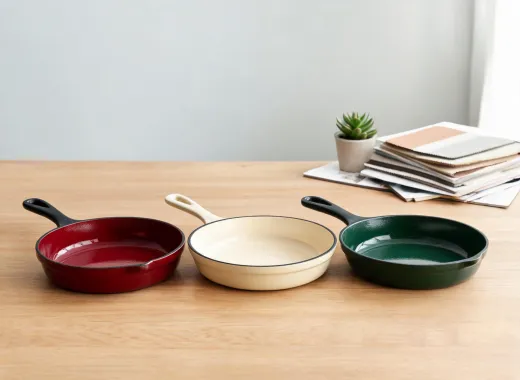
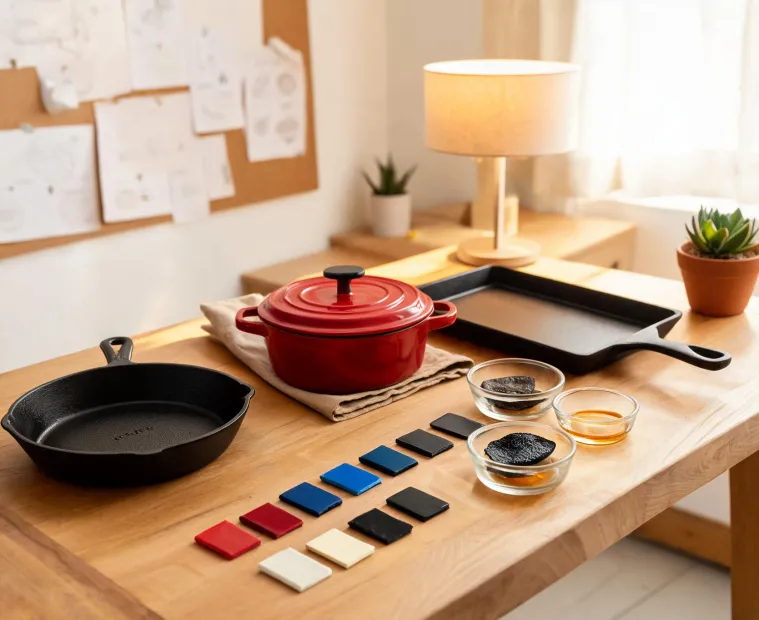
The Design Studio organizes those decisions into clear comparisons. Bare cast iron offers seasoning character and direct high-heat work. Enameled cast iron adds color, easier acidic cooking, and table presence. Griddles and grill pans solve surface area and marks. Bakeware gives steady oven heat for bread, pies, and roasted sides. Each category earns its place through a different cooking job.

Color and finish are handled with the same discipline. Deep red, matte black, warm neutrals, and enamel glazes should support the kitchen rather than dominate it. When a piece will live on open shelving, the visual choice matters. When it will work daily on a range, weight, handle feel, and cleaning confidence matter more.

The best Lodge piece is the one whose shape, surface, and care routine match the meals that happen most often.
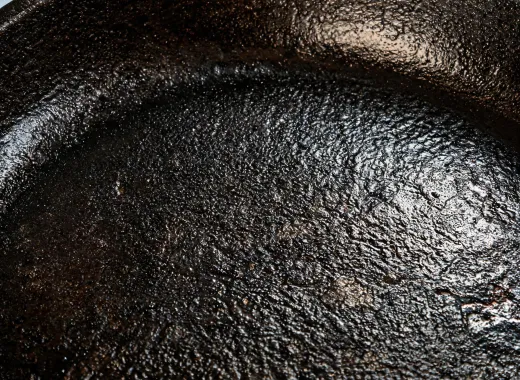
Expandable material notes

Compare before you commit

Raw cast iron or enamel?

Choose raw cast iron when high-heat searing, seasoning development, and long-term surface character are priorities. Choose enamel when acidic recipes, color preference, and easier visual cleanup are more important.

Which skillet diameter fits best?

A compact skillet is easier to lift and store, while a 12 inch pan gives ingredients more room to brown. The right size depends on burner coverage, sink space, and the number of servings cooked most often.

How should Dutch oven capacity be judged?

Capacity should match recipe volume and handling comfort. A larger oven is useful for bread, stews, and batch cooking, but a smaller piece may be better for weeknight meals and tighter shelves.

When does a griddle or grill pan make sense?

Use a griddle for broad, even contact across pancakes, sandwiches, and breakfast service. Use a grill pan when ridges, marks, and fat separation are part of the cooking goal.

Studio recommendation

Request a Lodge material and size review

Send your cooking routine, storage limits, and finish preferences. We will help compare the Lodge pieces that fit the brief.

Please share your name.
Please enter a valid email.
Tell us what you want to cook, compare, or source.